
Featured
How to Check Fake News in India: WhatsApp & AI Tools
Check fake news in India: verify WhatsApp forwards, reverse-search images, use free AI fact checkers and report fakes to PIB or 1930.
ReadCategory
Step-by-step implementation guides. Library topics describe process; they do not invent measured results.
Check fake news in India: verify WhatsApp forwards, reverse-search images, use free AI fact checkers and report fakes to PIB or 1930.
ReadCheck fake news in India: verify WhatsApp forwards, reverse-search images, use free AI fact checkers and report fakes to PIB or 1930.

Set up Shopify email marketing with native Shopify Email first, consent at checkout, then an ESP only when list and flows need it. Screens change; confirm admin.
Configure Shopify Checkout: payments, customer accounts, order processing, tipping, abandoned checkout, and the checkout editor. Plan limits apply; Plus is not required to take an order.

Optimize a Shopify product for search: unique title and handle, original description, alt text, and one URL for variants—not twelve. Link the operator checklist. Not a ranking promise.

Design a Shopify homepage that states who you are, merchandises the catalog, and paths to collections and products—not a magazine. Mobile first.

Launch a Shopify store by removing the password after a test order, pointing the primary domain, and telling customers the URL. Success is orders you can fulfill, not a launch-day traffic spike.

Add a Shopify product the durable way: title, description, media, price, SKU, inventory, shipping weight, status, type, and vendor. Draft first. CSV later, not a dump of bad data.

Create Shopify pages shoppers and processors expect: About, Contact, Shipping, Refund, Privacy, and Terms. Use real policies, not lorem ipsum or a competitor’s copied legal text.

Customize a Shopify theme in the editor, with app blocks, or in code. Duplicate first, use templates, and know when CSS is the wrong tool.

Choose a Shopify theme by catalog type, Online Store 2.0, speed, sections, and support—not a ranked “best theme” list. Preview with your products.

Generate Shopify leads with consented email/SMS, honest forms, and wholesale inquiries—not fake ebooks. Ecommerce still needs a list. Ads and lead systems from AalphaLeo.

Set up GA4 on Shopify with the Google & YouTube channel and customer events as Shopify currently documents. Match purchase events to orders. Avoid dual tagging.

Add descriptive Shopify alt text on product media and theme images. Accessibility plus SEO—not keyword stuffing. Help Center path for product media.

Optimize Shopify collections with unique intro copy, crawlable pagination, and no empty sets in the menu. Not a tag dump. Link the operator checklist and how to create collections.

Buy a domain from Shopify or connect a domain you already own. Set the primary domain, DNS records, and SSL. Follow Shopify Help Center for the records your registrar needs.

Run Meta ads for Shopify with the pixel and Conversions API as Shopify currently supports. Match creative to stock and shipping. No fake ROAS. Follow live admin docs.

Organize a Shopify catalog with product type, vendor, tags, collections, and status. Keep gift cards and drafts out of the wrong groups as the catalog grows.

Enter legal store name, address, customer email, phone, and billing identity in Shopify so invoices, payouts, and notifications match the business that will take orders.
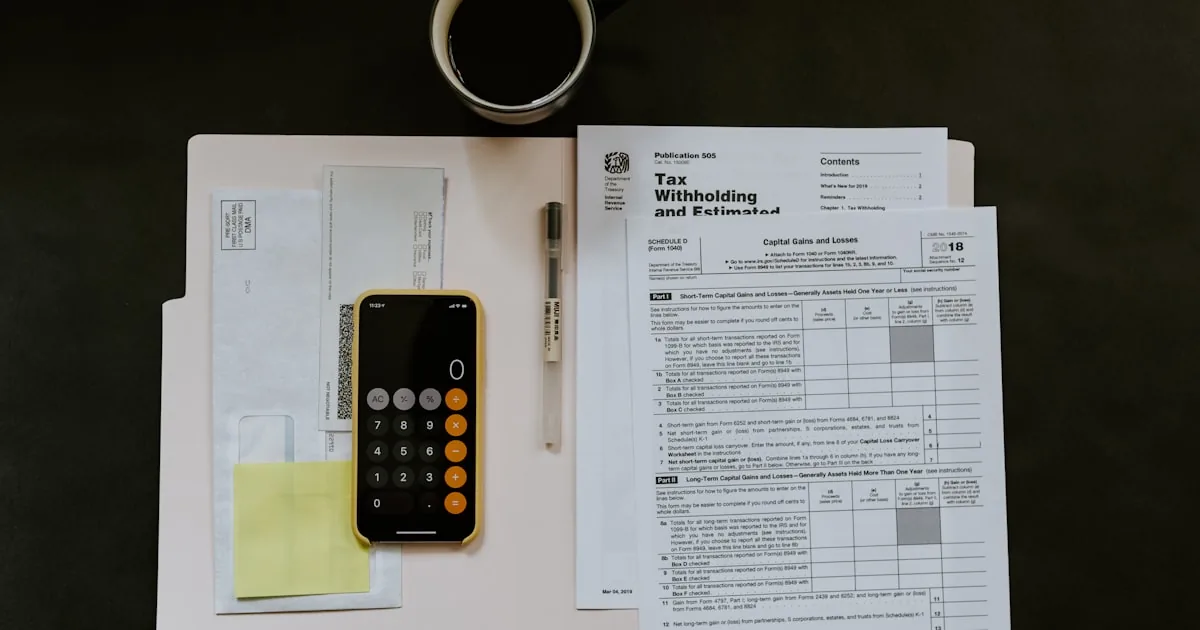
Set Shopify tax collection in Settings and Markets for your region. Nexus, VAT, and GST are yours and your accountant’s. Product categories help; one setup does not fit all.

Create a Shopify account, start the trial, set store details, and know what to configure before you pick a paid plan. Steps follow Shopify’s public signup flow.

Analyze Shopify traffic and sales with Analytics reports, comparable date ranges, and marketing vs product mix. GA4 and Shopify will not match 1:1.

Run Google Ads on Shopify with conversion tracking that matches purchases, an accurate Shopping feed, and brand vs non-brand split. Do not scale a password store.

Add Shopify product variants the durable way: options vs variants, current option/variant limits in Help Center, when to split products, SKU per variant, and out-of-stock behavior.

Design Shopify collection pages that help shoppers browse: unique intro copy, honest merchandising, sort, empty states, and a filter setup you can expand later.

Fix Shopify duplicate content: manufacturer copy, one product in many collections, http vs https and www, and tags as thin collections. Use redirects and canonicals—not five SEO apps.

Write unique, truthful Shopify meta descriptions in Search engine listing. Descriptions do not rank by themselves. Include the real offer; skip fake CTR formulas.

Reduce Shopify checkout friction with trust, eligible wallets, accurate rates, policy links, and fewer extra fields—without treating plan-limited editors as a Basic feature.

Create a Shopify collection: title, unique description, image, manual or automated type, publish to the store, then add it to a menu. Leave empty collections out of navigation.

A Shopify blog is optional. If you use it: one intent per post, internal links to products and collections, no cannibalizing collection pages. Unique titles. Not a ranking promise.

Turn on Shopify local delivery by location: radius or postal codes, hours, and rates. Keep it separate from local pickup. Do not enable countries you will not serve.

Design a Shopify store around clarity, trust, and a short path to cart. Theme, mobile, and page jobs—not a promised conversion rate.

Write Shopify product descriptions that mix benefits and specs, stay original, scan easily, and name who the product is for. No keyword stuffing. No pasted manufacturer copy.

Design Shopify product pages with a clear gallery, price, variants, add to cart, shipping snippet, and trust—fewer blockers, not a promised conversion rate.
Group countries and regions into Shopify shipping zones, avoid overlap, use rest-of-world deliberately, and only offer destinations you actually fulfill.

Treat About, Contact, and policies as real Shopify pages: unique titles, useful copy, crawlable URLs. Do not noindex policies without a reason. Not a ranking promise.

Manage Shopify inventory: track quantity, continue selling when out of stock, locations by plan, transfers, and a low-stock habit. Help Center for screens; US plan table for location caps.

Raise Shopify average order value with bundles, cart upsells, and shipping thresholds—run the margin math on your costs. Do not stack four upsell apps.

Add Shopify international shipping with Markets, zones, and rates. Duties estimates are not DDP. Confirm managed-program eligibility in admin. Restricted items still apply.

Set your Shopify store currency and languages using Settings and Markets. Presentment currency is not the same as payout currency. Confirm Shopify Payments eligibility before you add countries.

Grow a Shopify store with one platform you can actually post on. Organic vs ads, link in bio to the primary domain, and Shop channel limits by country.

Set up Shopify storefront filters and search with the Search & Discovery app as Shopify documents it. Use tags, type, vendor, or metafields—and skip filters on tiny catalogs.

Write unique Shopify meta titles in Search engine listing for products and collections. Brand at the end is optional; length is a guideline, not a ranking law.

Improve the Shopify cart with clear line items, honest shipping estimates, a usable empty state, and one checkout path—drawer or page, not four upsell apps.

Verify Google Search Console on Shopify: domain vs URL-prefix property, submit sitemap.xml, inspect URLs. Turn the store password off first. Follow current Google Help.

What publishers can actually control for AI citations: index eligibility, distinctive evidence, clear sourcing, and crawlable pages—without guaranteed mention rates.

Match your Shopify refund policy to admin return rules. Process refunds, exchanges, and restocking from Orders. Confirm any self-serve returns portal in Help—not as a Plus requirement.

Create Shopify shipping rates by profile: flat, weight-based, price-based, or carrier-calculated. Set product weights, then test quotes at checkout.
Create a Shopify store from signup to a password-off launch path: account, settings, theme, products, payments, shipping, and required pages. Screens change; the sequence does not.

A practical plan for AI search eligibility: crawlable pages, people-first content, accurate representation, and measurement in Search Console—without unverified shortcuts.

Choose Basic, Grow, Advanced, or Plus using Shopify’s public US list prices as of 29 August 2026, your staff needs, and card volume—not a promotional $1 month.

Optimize Shopify product images: white and lifestyle shots, consistent crops, descriptive alt text, sane file weight, variant-specific photos, and no watermarks that hide the product.

Pick a Shopify store name you can own legally: brand string, myshopify.com handle, domain, trademarks, and names you should not copy from a theme demo.

A map of Shopify Settings for a new store: store details, billing, payments, shipping, checkout, customer accounts, and notifications. Fill these before you design the theme.

Step-by-step tutorial to design, automate, and govern marketing workflows across content, SEO, paid media, and reporting.
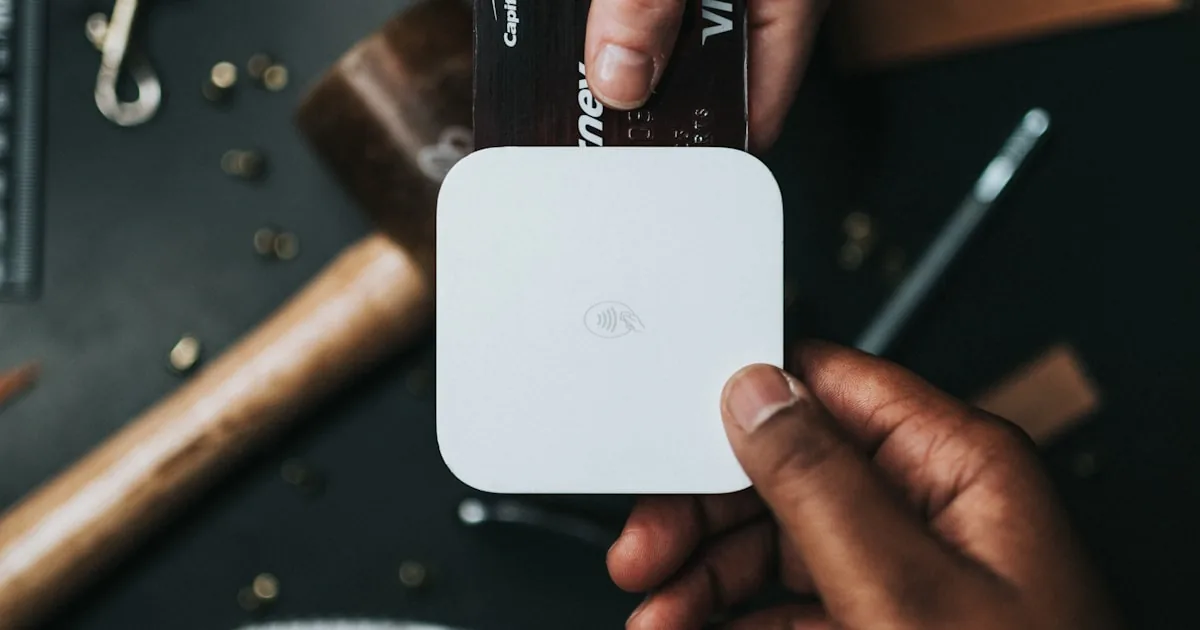
Connect Shopify Payments or a supported third-party gateway, finish identity and payouts, enable wallets if eligible, then place a test order before launch.

Build Shopify discounts with codes vs automatic discounts, margin math, and Help Center setup. Do not train shoppers to wait for a sale. Screens change.

Choose Shopify apps by one named job, trial, permissions, theme compatibility, and real cost. Avoid duplicate apps. Prefer native tools before the App Store.

Make a Shopify store usable on phones: theme mobile preview, tap targets, sticky add to cart, lighter images, and fewer app popups—Core Web Vitals as a check, not a fake score.

Shopify AI search eligibility is unique facts, schema that matches the page, and crawlable HTML—not a prompt hack. No one can promise AI Overviews. Link the operator guide for depth.
Shopify pages not in Google: check Online Store password first, then noindex, robots.txt, Search Console “crawled not indexed,” thin collections, and duplicates. Sitemap is a hint, not a fix.

Recover abandoned Shopify checkouts with native emails if your plan includes them. Confirm admin. Fix checkout friction first. Do not spam. Screens change.
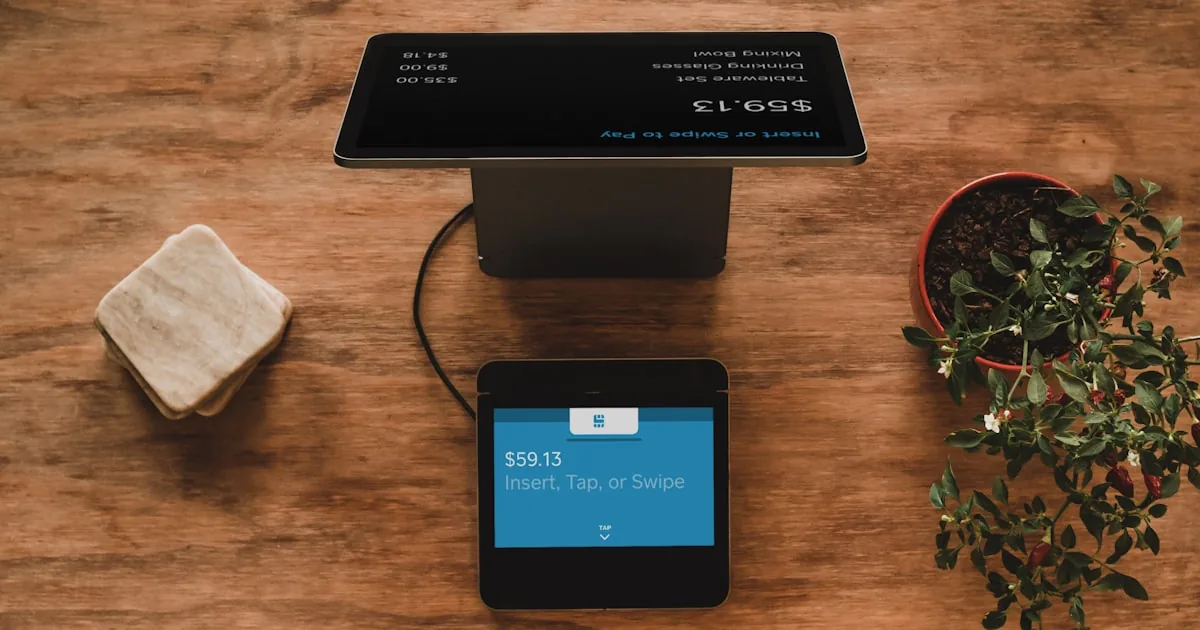
Build Shopify Online Store menus that shoppers can use on a phone: nested collections, footer policies, and no 40-product dumps in the header.
Related categories