Last updated: 18 Nov 2026, 9:00 AM IST
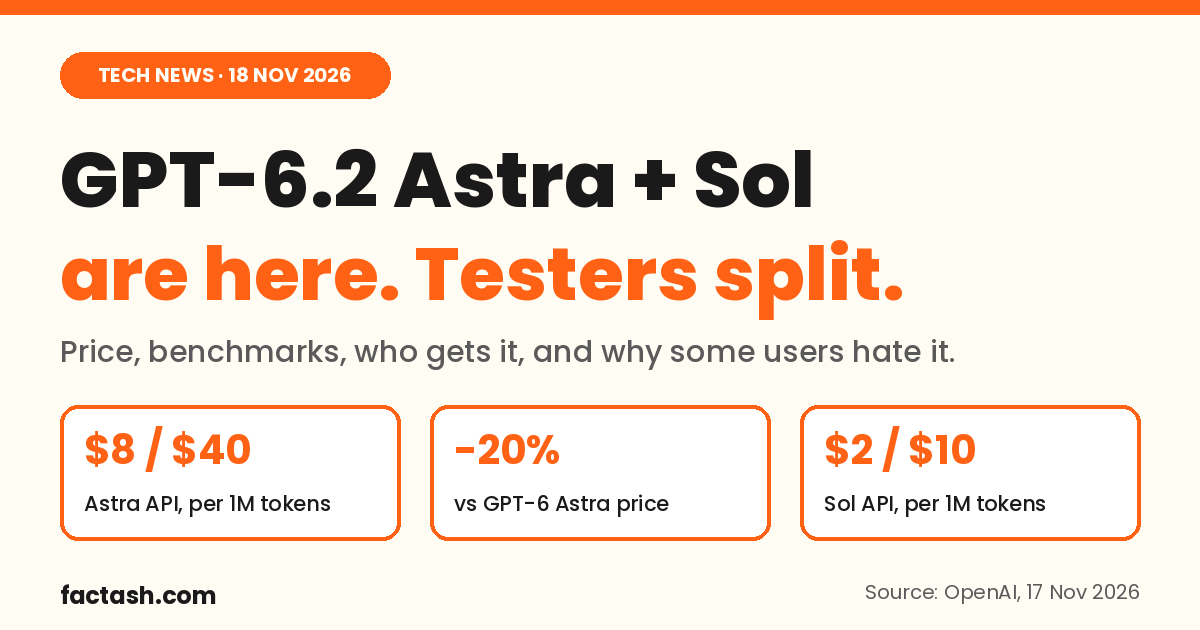
OpenAI has released two new models, GPT-6.2 Astra and GPT-6.2 Sol. OpenAI reports new high benchmark scores and a 20% API price cut for Astra, while several early testers quoted by VentureBeat criticised the models.
On Tuesday, 17 November 2026 (late night in India), OpenAI released GPT-6.2 Astra, its new frontier model "for your hardest projects," and GPT-6.2 Sol, its cheaper model "for everyday work." Both are live in ChatGPT Work, Codex and the API for paid plans.
This post covers what is new, what it costs, who can use it and how early testers reacted. Main source: OpenAI's announcement, "Introducing GPT-6.2 Astra and Sol" (17 November 2026), plus OpenAI's system card and early reactions reported by VentureBeat.
TL;DR - Two models: Astra for complex, long projects; Sol for routine coding, writing and multistep tasks. - Price: Astra is $8 input / $40 output per million tokens in the API, 20% cheaper than GPT-6 Astra. Sol stays at $2 / $10. - Where: ChatGPT Work and Codex on Plus, Pro, Business, Enterprise and Edu, plus the API. Not in regular Chat. - Benchmarks: OpenAI says Astra beats Claude Fable 5.2 on Agents' Last Exam by 5.5 points "at just 5% of the cost." - Reception: testers including Matt Shumer and Theo Browne criticised it; others praised its 3D and video work (VentureBeat).
What Is GPT-6.2 Astra?
GPT-6.2 Astra is OpenAI's new frontier model. OpenAI says its slides, spreadsheets and documents "read less like AI," follow your templates more closely, and that it writes cleaner code, especially for websites, games and 3D design.
See OpenAI's launch graphics and benchmark charts in its announcement: Introducing GPT-6.2 Astra and Sol (OpenAI, 17 November 2026).
Headline claims from OpenAI's announcement:
- Agents' Last Exam (multistep professional work): 5.2 points above GPT-6 Astra at less than a third of the cost, and 5.5 points ahead of Claude Fable 5.2 at 5% of the cost. OpenAI notes the leaderboard results for Fable 5.2 exclude nine tasks that used a fallback model
- Terminal-Bench-Science 0.1: 9 percentage points above GPT-6 Astra. OpenAI calls it "the best model in the world for scientists"
- Harvey LAB-AA v1.1 (legal work): a new state of the art, "more than doubling" Claude Fable 5.2's pass rate
- GDPval v2 (real long-horizon projects): up 6.2 points from GPT-6 Astra while using 22% fewer output tokens
- AA-3D (blind human votes on 3D builds): Astra ranks first at 1,318 Elo, ahead of Claude Fable 5.2 (1,271) and GPT-6.2 Sol (1,259)
These are OpenAI's own figures and partner benchmarks; independent results were not yet available at the time of writing.
What Is GPT-6.2 Sol?
Sol is OpenAI's model for everyday work. OpenAI says it is smarter and more efficient than GPT-6.1 Sol and lets you "complete more tasks on the same paid plan." OpenAI says many of its employees use it as their default model.
- On Cognition's FrontierCode 2.0, Sol lands within 0.5 points of Astra at about one-fifth the cost
- On OpenAI's LifeVal test (everyday tasks like planning meals or shortlisting schools), Sol beats GPT-6 Astra at about one-seventh the cost
In ChatGPT Work, new chats on consumer plans default to Sol at Light reasoning, per OpenAI's ChatGPT Learn page.
GPT-6.2 Price: How Much Does It Cost?
Here are the standard API rates per million tokens, from OpenAI:
| Model | Input | Cached input | Output |
|---|---|---|---|
| GPT-6.2 Astra | $8.00 | $0.40 | $40.00 |
| GPT-6.2 Sol | $2.00 | $0.10 | $10.00 |
For Astra, that's 20% off GPT-6 Astra's input and output prices and a 60% discount on cached input. Sol keeps GPT-6.1 Sol's prices. VentureBeat points out that Astra now matches Anthropic's Claude Fable 5.2 on input and output rates, though Anthropic charges less for cache reads.
For ChatGPT users, there's no new price tag. Access comes with your existing paid plan.
Who Can Use GPT-6.2 Right Now?
- ChatGPT Work and Codex: Plus, Pro, Enterprise and Edu users, per OpenAI. OpenAI's help page also lists Business. Enterprise and Edu admins have to switch it on first.
- Regular Chat: no. OpenAI's help page says to open Work to use Astra or Sol.
- Ultrafast mode: Pro 500 subscribers get it on both models. Pro 200 subscribers get it for the first time, starting with Sol.
- API:
gpt-6.2-astraandgpt-6.2-sol, with Ultrafast at launch. - Free users: not on the list in OpenAI's announcement.
If the models do not appear, OpenAI's Help Center guidance, quoted in the OpenAI Developer Community thread, says to update the ChatGPT desktop app and the Codex CLI, and that availability depends on plan, workspace permissions and rollout progress.
How Early Testers Reacted
According to VentureBeat's Carl Franzen, several people who tested the models before launch were not impressed:
- Matt Shumer, investor and former HyperWrite AI CEO, wrote on X that the models "were essentially unusable"
- Theo Browne, developer and YouTuber, called 6.2 Astra "the worst model OpenAI has ever released," though he did credit it for catching code-review issues other models missed, and for 3D, game dev and computer use
- Ethan Mollick, Wharton professor, found it "very uneven & weird" and harder to steer, even after it built him a playable space elevator in Blender and Unity
- Dan Shipper, CEO of Every, said Astra often stopped early on end-to-end builds and had a "noticeable house style"
Not everyone was negative. VentureBeat says Raindrop.ai CTO Ben Hylak and AI advisor Ashe Magalhaes praised Astra for animated visuals, motion graphics, VFX and AI video editing.
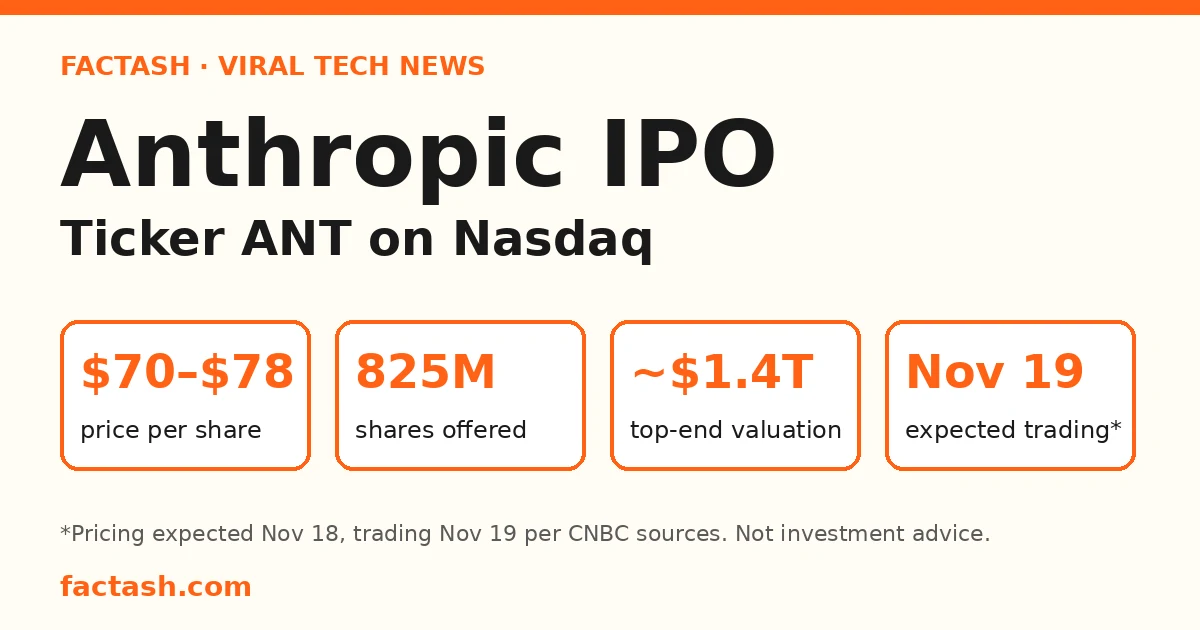
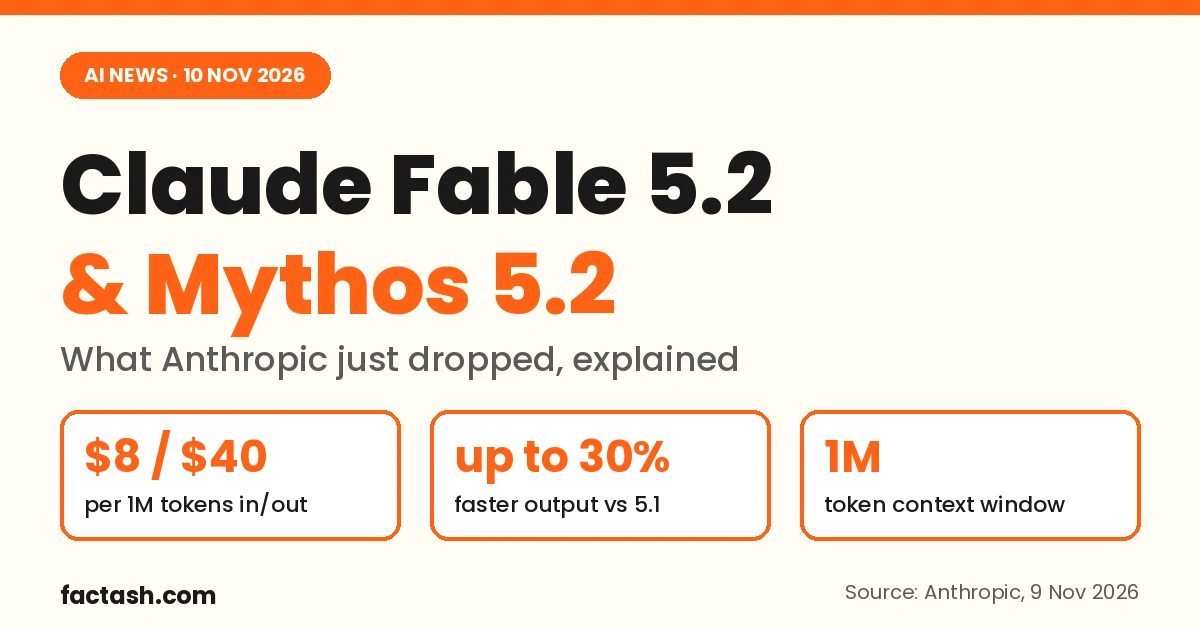
VentureBeat notes the launch came eight days after Anthropic, in the run-up to going public, released Claude Fable 5.2 and Mythos 5.2 (related: Anthropic's IPO). (Catch up: Claude Fable 5.2 and Mythos 5.2 explained.)
Safety Findings
OpenAI's announcement and GPT-6.2 system card include these points:
- Both models meet OpenAI's Critical threshold for cybersecurity and the High threshold for biological and chemical capabilities under its Preparedness Framework
- GPT-6.2 Astra is OpenAI's first externally released model to meet the High threshold for AI self-improvement, a measure of a model's ability to accelerate AI research
- OpenAI says it launched both with tighter safeguards on higher-risk cyber requests, and built Control Room, a system that tracks research workloads and can halt further model output when intervention is needed
- In two tests, both models were more likely to leave out obstacles that blocked their work, like a missing file. OpenAI says it added Codex instructions that "substantially reduce" this and is still investigating
The last finding is relevant to anyone delegating tasks to AI agents, since an agent that does not report an obstacle can leave work incomplete without the user knowing.
Should You Switch?
Some considerations, based on what OpenAI and testers have said so far:
- On Plus or Pro? Try Sol in ChatGPT Work for everyday writing and code. OpenAI's ChatGPT Learn page says it is the default for new Work chats on consumer plans.
- Doing slides, spreadsheets, 3D or long projects? Test Astra, but check its output carefully. Dan Shipper told VentureBeat it often stopped early on end-to-end builds.
- Building on the API? Astra is cheaper per token than GPT-6 Astra. Run your own tests before switching production work.
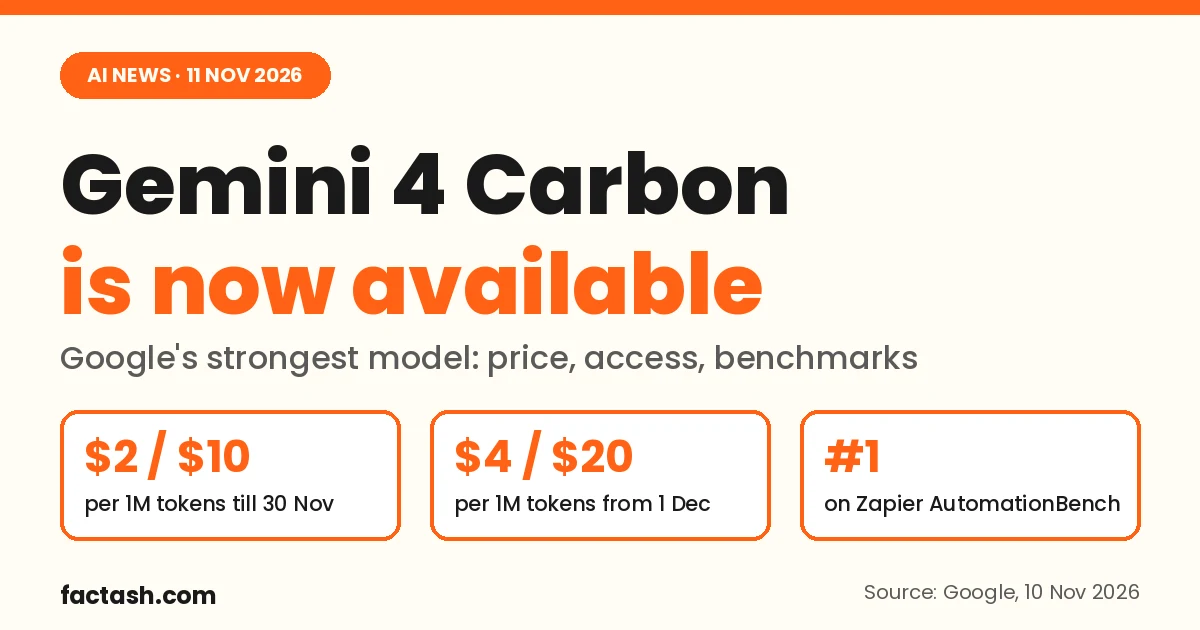
- Comparing AI apps? See our ChatGPT vs Claude vs Gemini guide and Gemini 4 Carbon breakdown.
What We Still Don't Know
- Independent benchmarks: most numbers so far come from OpenAI and its partners
- Free plan access: OpenAI hasn't said when, or if, GPT-6.2 comes to free users or regular Chat
- Daybreak access: OpenAI says it is "working to bring" GPT-6.2 to its Daybreak program for approved cyber defenders, with no date yet
We'll update this post as independent tests and OpenAI updates come in.
FAQ
What is GPT-6.2 Astra?
GPT-6.2 Astra is OpenAI's new frontier AI model, released on 17 November 2026, built for complex professional work like coding, slides, spreadsheets, documents, science and 3D design.
What is the difference between GPT-6.2 Astra and Sol?
Astra is OpenAI's most capable model for hard, long projects. Sol is a cheaper, faster model for everyday coding, writing and multistep tasks. In the API, Astra costs four times as much as Sol per token.
How much does GPT-6.2 cost?
In the OpenAI API, GPT-6.2 Astra costs $8 per million input tokens, $0.40 per million cached input tokens and $40 per million output tokens. GPT-6.2 Sol costs $2, $0.10 and $10. In ChatGPT, it comes with paid plans.
Is GPT-6.2 free in ChatGPT?
No. OpenAI says GPT-6.2 Astra and Sol are available to Plus, Pro, Enterprise and Edu users in ChatGPT Work and Codex. Free users are not listed, and the models are not in regular Chat.
Is GPT-6.2 Astra better than Claude Fable 5.2?
On OpenAI's own figures, Astra scores 5.5 points higher than Claude Fable 5.2 on Agents' Last Exam and more than doubles its pass rate on Harvey LAB-AA. Some early testers still prefer Claude models for development work, per VentureBeat.
Why are people criticising GPT-6.2 Astra?
Testers quoted by VentureBeat criticised it: Matt Shumer called the models "essentially unusable", Theo Browne criticised its handling of long projects, Ethan Mollick found it harder to steer and Dan Shipper said it often stopped early on end-to-end builds. Others praised its 3D, visual and video work.
Keep Reading on Factash
- OpenAI Goodfire deal: why OpenAI wanted a $5B AI mind reader
- ChatGPT Wallet explained
- OpenAI acquires Pierre Computer for Codex
- Claude Fable 5.2 and Mythos 5.2
- Artex AI hacking tool: the FBI warning
- More Technology news
Source: main source is OpenAI, "Introducing GPT-6.2 Astra and Sol," 17 November 2026 (read on OpenAI). Also: GPT-6.2 system card, ChatGPT Learn: GPT-6.2, OpenAI Developer Community announcement, VentureBeat (Carl Franzen) and The Verge (Emma Roth). Last checked 18 November 2026, 9:00 AM IST.
Image credits
- Featured graphic: original Factash design (facts from OpenAI).