Last updated: 23 Nov 2026, 7:00 PM IST
A viral clip shows two moose crossing a calm stream over a loud, constant droning sound, with text saying this is what a neighbourhood will sound like 24/7 if a data center moves in. Fact-checkers found the noise is a real recording from a data center in Michigan; the moose footage was filmed separately.
Main source: Snopes, 23 November 2026, which traced the audio to its original recording and rated the claim true. We cross-checked it with local reporting from MLive and WNDU, plus the class-action complaint filed by residents. Here's the full breakdown.
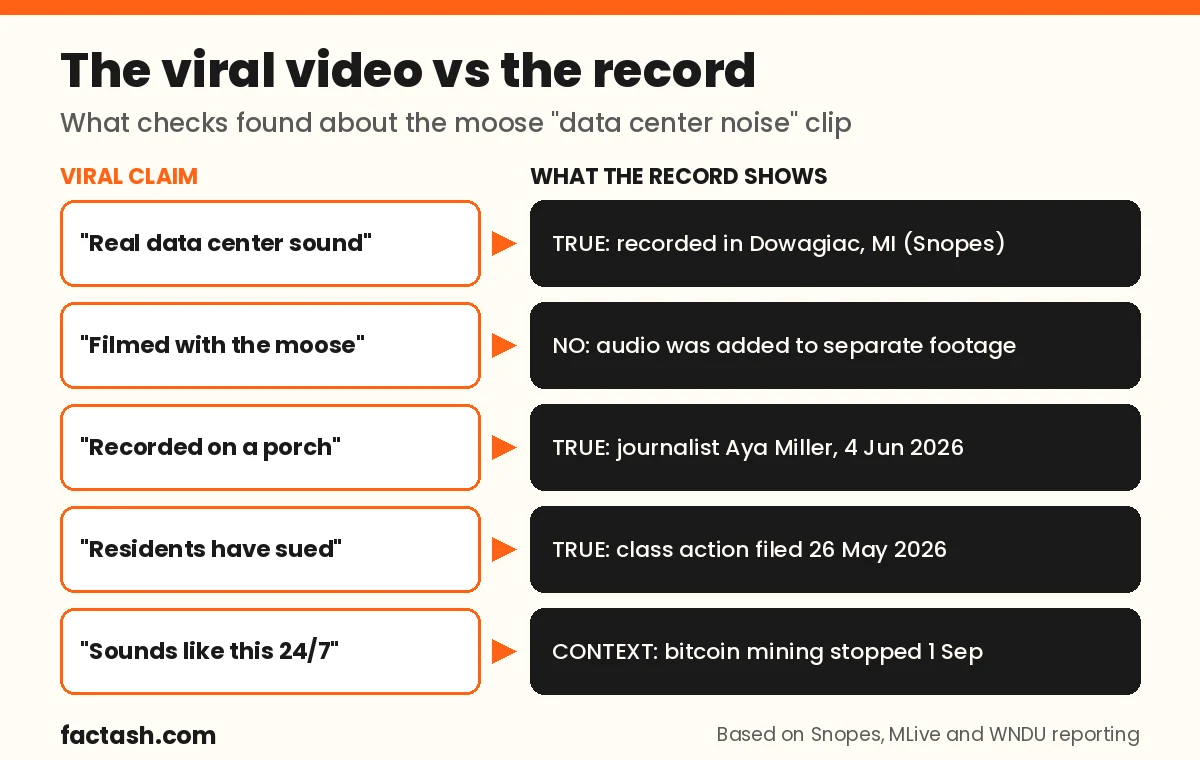
VERDICT: TRUE (with context). The sound in the viral moose video is authentic audio of a data center, recorded from a homeowner's porch across from Hyperscale Data's 30-megawatt facility in Dowagiac, Michigan. The moose footage was filmed separately, and the poster said so. One extra detail: the constant hum at that site stopped, at least for now, when bitcoin mining there ended on 1 September 2026.
The Claim
In mid-November, environmental group Earthly Education posted a video on Facebook and Instagram of two moose crossing a stream, with a loud, droning noise playing over it. The on-screen text read: "Reminder: this is what it will sound like 24/7 if a data center is built in your neighborhood," as Snopes documented.
The caption said: "This sound is recorded from a homeowner's porch, beside the 30-megawatt data center in Dowagiac, Michigan. Residents have already sued over the sound emissions, and yet Hyperscale Data Inc. wants to build an expansion to the current facility." The post also urged people to push back against a bill in the US Congress that would reportedly speed up data center buildouts (Snopes; background from TIME). As the clip spread, plenty of viewers asked the obvious question: is that sound real, or was it cooked up for the video?
What Actually Happened
- The audio is real. Snopes found the original video that matched the sound, down to booming noises at the start and wind chimes a few seconds in. It shows a hand on a front porch holding a sound level meter reading about 60 decibels, then tilts up to the data center across the street.
- A journalist recorded it. Aya Miller, an independent journalist formerly with MLive, confirmed to Snopes that she recorded the audio on 4 June 2026 and posted it to TikTok days later. MLive shared the video on 15 June, crediting her (Snopes).
- The location checks out. The porch is on Louise Avenue in Dowagiac, and Snopes matched the view with Google Street View images of the same house. MLive puts the data center at 415 E. Prairie Ronde St., run by Alliance Cloud Services, a Hyperscale Data subsidiary (MLive).
- The moose are a separate clip. The nature footage and the audio were captured separately, and Earthly's caption said where the sound came from. Snopes rated the claim true because the captions accurately described the audio.
- Residents really did sue. Two residents filed a proposed class action on 26 May 2026 in US District Court for the Western District of Michigan, alleging "excessive noise" from the site (MLive; complaint).
Why Is a Data Center That Loud?
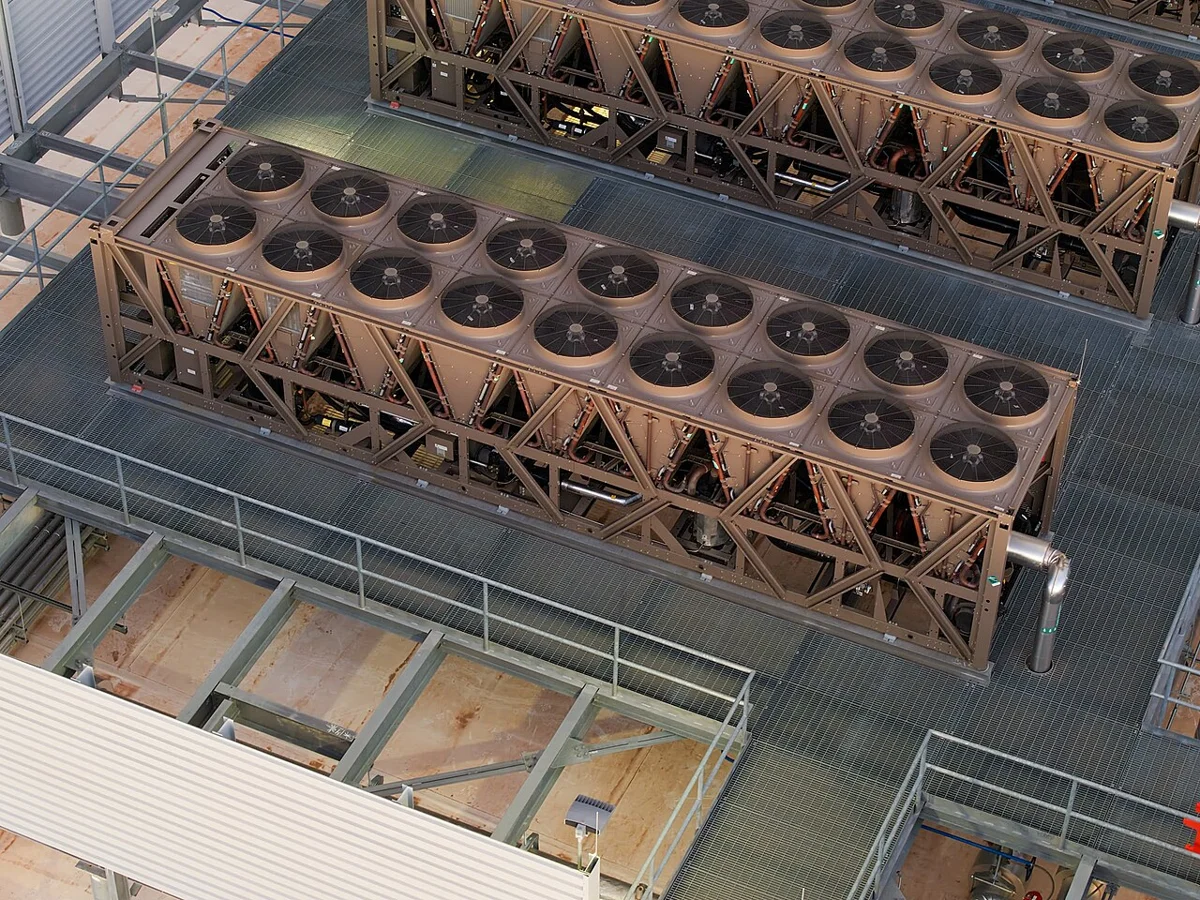
Servers get hot, and the cooling systems that keep them running are what make the noise, according to the residents' complaint as reported by MLive. The lawsuit alleges the operator failed to put in adequate soundproofing. The facility had been used for bitcoin mining since 2022, per MLive, and Hyperscale Data has announced plans to expand the site from 30 to 340 megawatts.
How Loud Is It, Really?
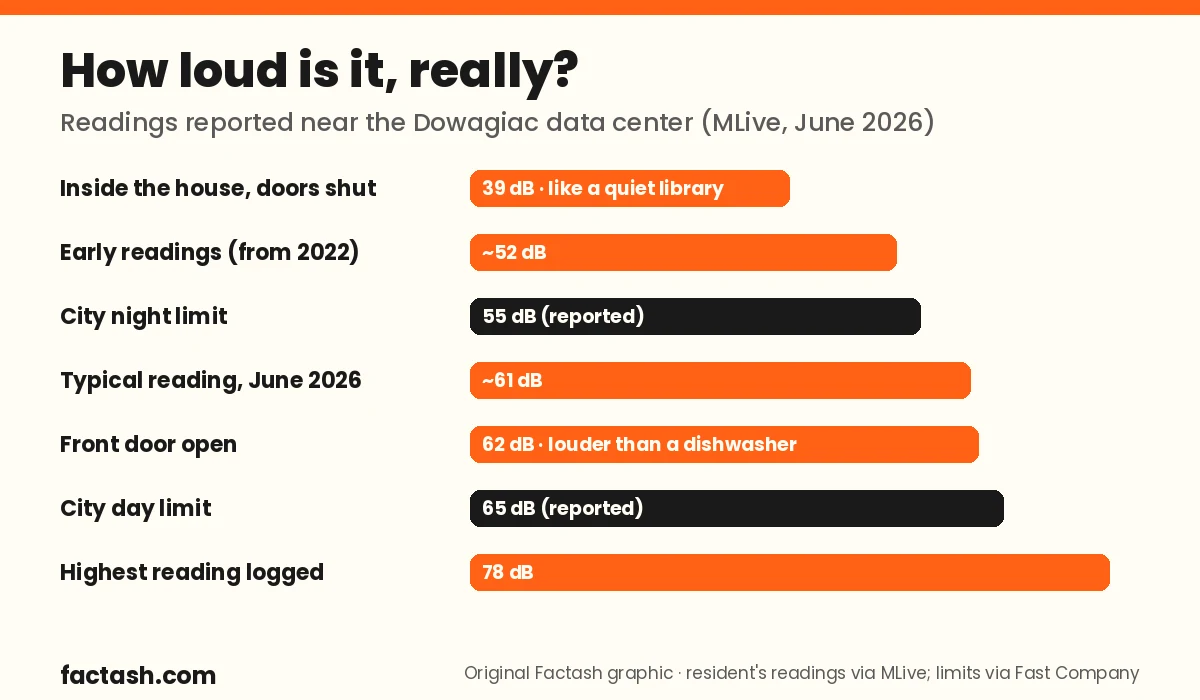
Resident Billy Finn, who lives across the street, keeps a journal of decibel readings. He told MLive his readings started around 52 decibels and are now typically around 61, with some as high as 78. On 4 June, he measured 39 decibels inside with the doors shut, about a quiet library, and 62 decibels with the door open, louder than a dishwasher. A Bronson Hospital audiologist told MLive that constant 60-decibel noise won't damage your ears but can raise stress levels.
Dowagiac's noise ordinance, adopted in March 2026, caps sound in residential areas at 65 decibels by day and 55 at night. City officials have cited Hyperscale Data for exceeding those limits, and the company is challenging the citations and the city's readings (MLive; WXYZ). Fast Company reported in July that a WXYZ-TV news clip about the noise had passed 700,000 views; Factash could not independently confirm that figure.
The Context the Clip Leaves Out
The audio was recorded in June. On 1 September 2026, bitcoin mining at the Dowagiac facility stopped, ending the constant hum residents had complained about for months, WNDU reported. Hyperscale said it was moving the site to AI capacity under a 10-year deal with an unnamed California cloud provider. Snopes added that AI computing was planned to start in November, purportedly with less noise. A neighbour told WNDU she is still dealing with construction noise and bright lights, and Hyperscale has offered fair market value plus moving costs to people on the street.
So the sound is real, but "24/7 if a data center is built in your neighborhood" is advocacy messaging, not a measurement. How loud a site gets depends on what it runs and how it is cooled and shielded, which is exactly what the Dowagiac lawsuit is about.
Why This One Went Viral
Factash's take: the clip pairs something everyone finds calming with a sound that is hard to listen to, so the contrast does the work in a few seconds. It also lands while AI data centers are being planned across the US and Congress is debating a permitting bill critics say favours the industry (TIME). Because the moose scene looks staged, many people assumed the audio was fake too. It's a good reminder that a composite video can still carry real evidence, as long as the poster is honest about how it was put together.
How to Check Claims Like This Yourself
Factash guidance:
- Read the caption first. Here, the caption named the city, the company and the fact that the audio came from a porch. Specific details are things you can check.
- Find the original recording. Search the place name plus words like "noise" or "video". Snopes found the original porch clip on Facebook, Instagram and Reddit, and traced it back to the journalist who filmed it.
- Reverse search a frame. Use Google Lens or the InVID-WeVerify plugin to see where a video first appeared and whether the visuals were reused.
- Match the location. Compare the view in the clip with Google Street View. Snopes matched the porch view to the same house.
- Look for paper trails. Lawsuits, city fines and company statements leave records. Local outlets like MLive and WNDU, plus court filings, backed up this story.
- Split the claim in two. "The sound is real" and "every data center sounds like this" are different claims. Check each one on its own.
Want the full toolkit? Read our guide on how to check fake news. More viral videos we've checked: the rogue wave container ship video, the Xi-Putin handshake "snub" video, the pterodactyl video from Mexico and the Kerch bridge collapse video. For more on the AI boom, see the AI stock selloff explained. Browse everything in Technology.
FAQ
Is the data center noise in the viral moose video real?
Yes. Snopes rated it true on 23 November 2026. The sound was recorded from a homeowner's porch across the street from Hyperscale Data's 30-megawatt data center in Dowagiac, Michigan. Journalist Aya Miller told Snopes she recorded it on 4 June 2026.
Was the moose video filmed next to a data center?
No. The moose footage and the audio were recorded separately. Earthly Education, the environmental group that posted the clip, said in its caption that the sound came from Dowagiac, Michigan, and Snopes confirmed the audio was added to the nature footage.
Where is the noisy data center in the video?
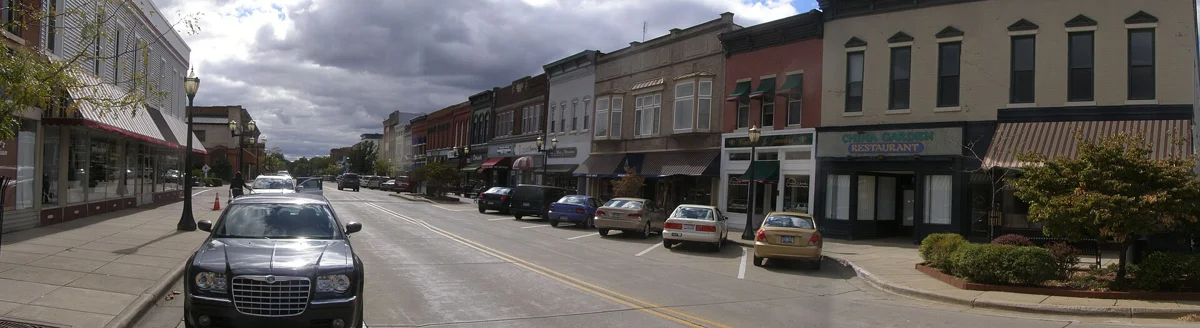
It is Hyperscale Data's 30-megawatt facility at 415 E. Prairie Ronde St. in Dowagiac, a small city in southwest Michigan, run by its subsidiary Alliance Cloud Services, according to MLive.
How loud is the Dowagiac data center?
A meter in the original porch video read about 60 decibels, per Snopes. A resident told MLive his readings rose from about 52 decibels to typically about 61, with peaks of 78. Inside his house with doors shut, he measured 39 decibels on 4 June 2026.
Is the Dowagiac data center still that loud?
Bitcoin mining at the facility stopped on 1 September 2026, ending the constant hum for now, WNDU reported. Hyperscale Data said it is shifting the site to AI computing, and Snopes noted the company planned to begin AI work in November, reportedly with less noise.
How can I check if a viral video's audio is real?
Search for the original recording using key details from the caption, reverse search a frame with Google Lens or InVID-WeVerify, look for local news coverage, check court records or official notices, and compare the location with Google Street View.
Sources
- Snopes, "Nature video features authentic data center sound from separate recording" by Jordan Liles (23 Nov 2026) (main source)
- MLive, "Residents sue Michigan data center over 'excessive noise'" by Aya Miller (27 May 2026)
- MLive, "'A prison in our own yard': Life next to a data center and its never-ending noise" by Aya Miller (18 Jun 2026)
- WNDU, "Hyperscale Data Center in Dowagiac stops bitcoin mining operations" by Meredith Shimer (5 Sep 2026)
- Fast Company, "Viral clip reveals what a data center sounds like: People compare it to torture" by Jude Cramer (28 Jul 2026)
- Class action complaint, Case 1:26-cv-01694, US District Court for the Western District of Michigan (26 May 2026), via CourtListener
- TIME, "Congress's Permitting Bill Is a 'Massive Giveaway' to the AI Data Center Industry, Critics Warn" by Andrew R. Chow (10 Nov 2026)
Last checked 23 November 2026, 7:00 PM IST.
Image credits
- Featured image: original Factash graphic, based on Snopes, MLive and WNDU.
- "The viral video vs the record" infographic: original Factash graphic, based on Snopes, MLive and WNDU.
- "How loud is it, really?" chart: original Factash graphic, based on readings reported by MLive and noise limits reported by MLive and Fast Company.
- Data center rooftop cooling units, Mesa, Arizona: Rsparks3, via Wikimedia Commons, CC0 1.0 (public domain); resized and converted to WebP.
- Downtown Dowagiac, Michigan: Chris Light, via Wikimedia Commons, licensed CC BY-SA 4.0; resized and converted to WebP.
- The viral moose video and Snopes' screenshots are not reproduced here; see the Snopes fact check.